Ray Bradbury, one of the most influential and prolific science fiction writers of all time, has had a lasting impact on a broad array of entertainment culture. In his canon of books, Bradbury often emphasized exploring human psychology to create tension in his stories, which left the more fantastical elements lurking just below the surface. Many of his works have been adapted for movies, comic books, television, and the stage, and the themes he explores continue to resonate with audiences today. The notable 1966 classic film Fahrenheit 451 perfectly captured the definition of a futuristic dystopia, for example, while the eponymous television series he penned, The Ray Bradbury Theatre, is an anthology of science fiction stories and teleplays whose themes greatly represented Bradbury’s signature style. ScriptPhD.com was privileged to cover one of Ray Bradbury’s last appearances at San Diego Comic-Con, just prior to his death, where he discussed everything from his disdain for the Internet to his prescient premonitions of many technological advances to his steadfast support for the necessity of space exploration. In the special guest post below, we explore how the latest Bradbury adapataion, the new television show The Whispers, continues his enduring legacy of psychological and sci-fi suspense. Continue reading Guest Post: Ray Bradbury Still Alive Through “The Whispers”→
From a sci-fi and entertainment perspective, 2015 may undoubtedly be nicknamed “The Year of The Robot.” Several cinematic releases have already explored various angles of futuristic artificial intelligence (from the forgettable Chappie to the mainstream blockbuster Marvel’s Avengers: Age of Ultron to the intelligent sleeper indie hit Ex Machina), with several more on the way later this year. Two television series premiering this summer, limited series Humans on AMC and Mr. Robot on USA add thoughtful, layered (and very entertaining) discussions on the ethics and socio-economic impact of the technology affecting the age we live in. While Humans revolves around hyper-evolved robot companions, and Mr. Robot a singular shadowy eponymous cyberhacking organization, both represent enthusiastic Editor’s Selection recommendations from ScriptPhD. Reviews and an exclusive interview with Humans creators/writers Jonathan Brackley and Sam Vincent below. Continue reading Editor’s Selection: Robots Invade Summer Television→
One of Walt Disney’s enduring lifetime legacies was his commitment to innovation, new ideas and imagination. An inventive visionary, Disney often previewed his inventions at the annual New York World’s Fair and contributed many technological and creative breakthroughs that we enjoy to this day. One of Disney’s biggest fascinations was with space exploration and futurism, often reflected thematically in Disney’s canon of material throughout the years. Just prior to his death in 1966, Disney undertook an ambitious plan to build a utopian “Community of Tomorrow,” complete with state-of-the-art technology. Indeed, every major Disney theme park around the world has some permutation of a themed section called “Tomorrowland,” first introduced at Disneyland in 1955, featuring inspiring Jules Verne glimpses into the future. This ambition is beautifully embodied in Disney Picttures’ latest release of the same name, a film that is at once a celebration of ideas, a call to arms for scientific achievement and good old fashioned idealistic dreaming. The critical relevance to our circumstances today and full ScriptPhD review below. Continue reading Why Disney’s “Tomorrowland” Matters→
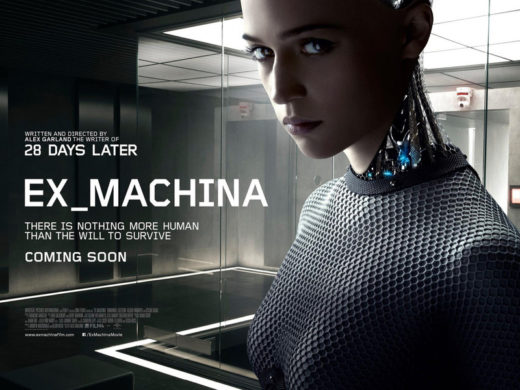
Every so often, a seminal film comes out that ends up being the hallmark of its genre. 2001: A Space Odyssey redefined space and technology in science fiction. Star Wars proved sci-fi could provide blockbuster material, while Blade Runner remains the standard-bearer for post-apocalyptic dystopia. A slate of recent films have broached varying scenarios involving artificial intelligence – from talking robots to sentient computers to re-engineered human capacity. But Ex Machina, the latest film from Alex Garland (writer of the pandemic horror film 28 Days Later and the astro-thriller Sunshine) is the cream of the crop. A stylish, stripped-down, cerebral film, Ex Machina weaves through the psychological implications of an experimental AI robot named Ava possessing preternatural emotional intelligence and free will. It’s a Hitchcockian sci-fi thriller for the geek chic gadget-bearing age, a vulnerable expository inquiry into the isolated meaning of “sentience” (something we will surely contend with in our time) and an honest reproach of technology’s boundless capabilities that somehow manages to celebrate them at the same time.
ScriptPhD.com’s enthusiastic review of this visionary new sci-fi film includes an exclusive Q&A with writer and director Alex Garland from a recent Los Angeles screening.
On February 28, 1998, the revered British medical journal The Lancet published a brief paper by then-high profile but controversial gastroenterologist Andrew Wakefield that claimed to have linked the MMR (measles, mumps and rubella) vaccine with regressive autism and inflammation of the colon in a small case number of children. A subsequent paper published four years later claimed to have isolated the strain of attenuated measles virus used in the MMR vaccine in the colons of autistic children through a polymerase chain reaction (PCR amplification). The effect on vaccination rates in the UK was immediate, with MMR vaccinations reaching a record low in 2003/2004, and parts of London losing herd immunity with vaccination rates of 62%. 15 American states currently have immunization rates below the recommended 90% threshold. Wakefield was eventually exposed as a scientific fraud and an opportunist trying to cash in on people’s fears with ‘alternative clinics’ and pre-planned a ‘safe’ vaccine of his own before the Lancet paper was ever published. Even the 12 children in his study turned out to have been selectively referred by parents convinced of a link between the MMR vaccine and their children’s autism. The original Lancet paper was retracted and Wakefield was stripped of his medical license. By that point, irreparable damage had been done that may take decades to reverse.
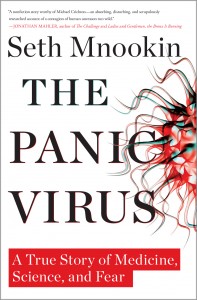
How could a single fraudulent scientific paper, unable to be replicated or validated by the medical community, cause such widespread panic? How could it influence legions of otherwise rational parents to not vaccinate their children against devastating, preventable diseases, at a cost of millions of dollars in treatment and worse yet, unnecessary child fatalities? And why, despite all evidence to the contrary, have people remained adamant in their beliefs that vaccines are responsible for harming otherwise healthy children, whether through autism or other insidious side effects? In his brilliant, timely, meticulously-researched book The Panic Virus, author Seth Mnookin disseminates the aggregate effect of media coverage, echo chamber information exchange, cognitive biases and the desperate anguish of autism parents as fuel for the recent anti-vaccine movement. In doing so, he retraces the triumphs and missteps in the history of vaccines, examines the social impact of rejecting the scientific method in a more broad perspective, and ways that this current utterly preventable public health crisis can be avoided in future scenarios. A review of The Panic Virus, an enthusiastic ScriptPhD.com Editor’s Selection, follows below. Continue reading “The Panic Virus” and the Origins of the Anti-Vaccine Movement→
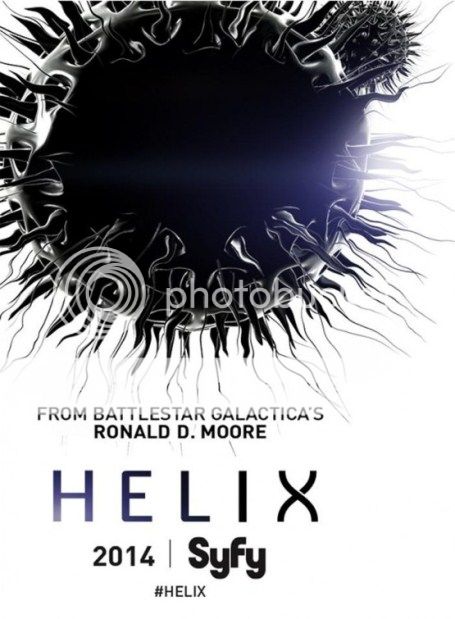
The biggest threat to mankind may not end up being an enormous weapon; in fact, it might be too small to visualize without a microscope. Between global interconnectedness and instant travel, the age of genomic manipulation, and ever-emerging infectious disease possibilities, our biggest fears should be rooted in global health and bioterrorism. We got a recent taste of this with Stephen Soderberg’s academic, sterile 2011 film Contagion. Helix, a brilliant new sci-fi thriller from Battlestar Galactica creator Ronald D. Moore, isn’t overly concerned with whether the audience knows the difference between antivirals and a retrovirus or heavy-handed attempts at replicating laboratory experiments and epidemiology lectures. What it does do is explore infectious disease outbreak and bioterrorism in the greater context of global health and medicine in a visceral, visually chilling way. In the world of Helix, it’s not a matter of if, just when… and what we do about it after the fact. ScriptPhD.com reviews the first three episodes under the “continue reading” cut. Continue reading REVIEW: “Helix”→
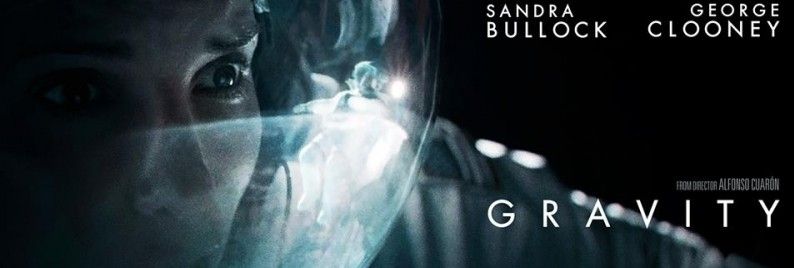
Space movies are almost always grandiose in their storytelling aspirations. The enormity of space, the raw power of the shuttle, the existential quandary of whether we are alone in a vast Universe, and (as is the case in Gravity) an almost-inevitable crisis that must be resolved to steer the astronauts onboard to safety. There is one critical detail, however, that most fail to convey visually—solitude. Dr. Katherine Coleman, who spent thousands of hours aboard the shuttles Columbia and the International Space Station, and who was a primary mentor to star Sandra Bullock, recounts isolation—spatial separation, physical movements, zero gravity and a distant Earth—as the biggest challenge and reward she faced as an astronaut. With a tense, highly focused storyline centered almost entirely on one brave scientist, Gravity is a virtual space flight for the audience, but also a gripping examination of emotional and physical sequestration. Through this vista, we are able to perceive how beautiful, terrifying and enormous space truly is. Full ScriptPhD.com Gravity review under the “continue reading” cut. Continue reading Editor’s Selection: ‘Gravity’→
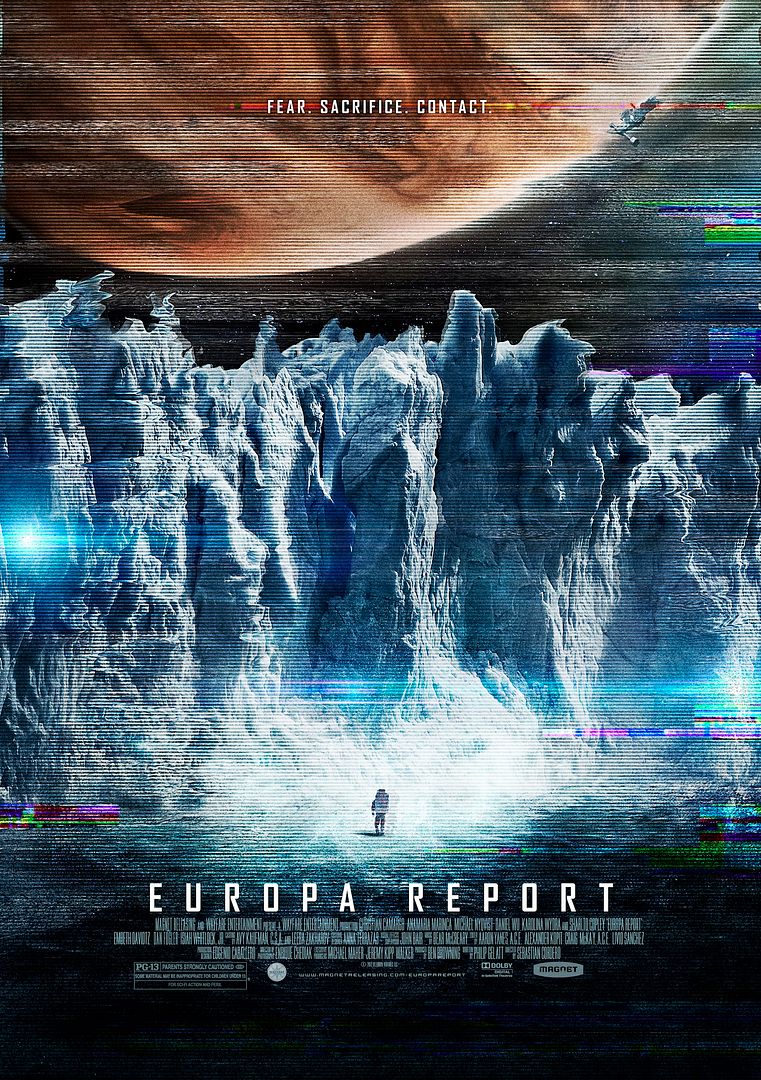
In 2007, new NASA research suggested that underneath the vast ice sheaths of Jupiter’s moon Europa lay oceanic water, which is a key element to support life. The Galileo probe, which had been orbiting the moons of Jupiter since December of 1995, was constantly orbiting and swooshing near the sixth largest moon in the solar system, collecting pictures and data that could prove the existence of liquid water. Then in 2011, scientists hit a proverbial jackpot—evidence for two liquid lakes the volume of the North American Great Lakes underneath a region of jumbled ice blocks termed the ‘Conamara Chaos.’ Even in the wake of such exciting discoveries, critical budget cuts severely threatened NASA’s space program, including the Mars rover and Cassini spacecraft orbiting Saturn. This same time frame gave concurrent rise to private space travel, led by the commercial venture Virgin Galactic and ambitious research company Space X. The merger of limitless industry resources with the possibility of uncovering alien life seems like a perfect Hollywood pitch. Such is the scenario explored in the brilliant documentary-style sci-fi thriller Europa Report. A full ScriptPhD review under the “continue reading” cut. Continue reading REVIEW: Europa Report→
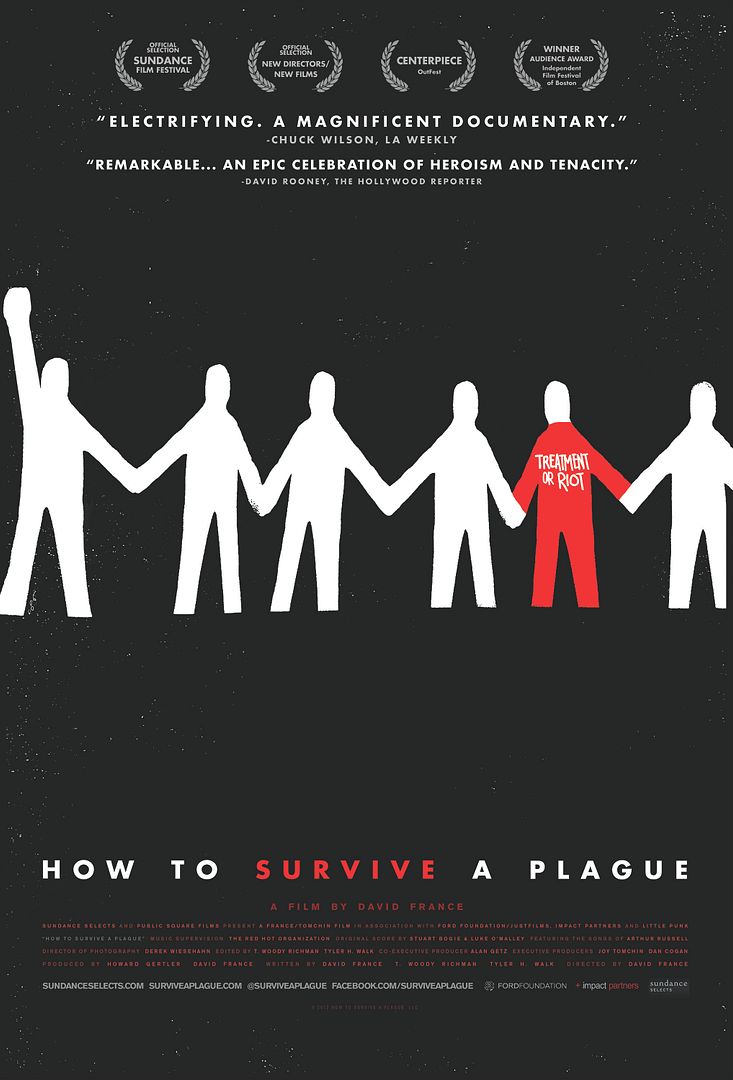
The history of science movies nominated for Oscars is not a very long one. Aside from the technical achievement awards or an occasional nomination for acting merits, the Best Picture category has historically not opened its doors to scientific content, save for notable nominees “A Clockwork Orange,” “District 9,” “Inception” and “Avatar.” A documentary about science has never been nominated for the Best Documentary category, until this year, with How To Survive a Plague, Director David France’s stunning account of the brave activists that brought the AIDS epidemic to the attention of the government and science community in the disease’s darkest early days. “Plague” set history last weekend by becoming the first “Best Documentary” nominee with an almost entirely scientific/biomedical narrative. More importantly, it also established a standard by which future science documentaries should use emotional storytelling to captivate audiences and inspire action. ScriptPhD review and discussion under the “continue reading” cut. Continue reading Oscar-nominated Documentary a Landmark for Science→